 Home
HomeThe Jordanian Parliament called on the government to cancel the agreements signed with Israel, while Tel Aviv threatened to cancel the extension of the water agreement, but the Jordanian government announced the firmness of its position in “supporting the Palestinians against the Israeli aggression.” Israeli press reports revealed that Jordan demanded that Israel extend the water agreement through mediators, while Tel Aviv put Aviv has many conditions, the most prominent of which is stopping the escalation and threats by Jordanian officials and parliamentarians against Israel. Some raised questions about the reason for Jordan’s demands to extend the agreement, and the extent to which Israel can exploit this need through political blackmail of the Jordanian position. Israeli blackmail. The Jordanian legal expert, Hamada Abu Najma, said: Jordan, of course, suffers from a severe water shortage. It depends on annual rainfall as a main source, which has decreased in recent years. This scarcity led to the Jordanian government signing in 1994, within the peace agreement, an agreement to obtain 55 million cubic meters of water from Israel annually. In 2021, he signed a new agreement that includes supplying Jordan with an additional 50 million cubic metres. The quantity has become 105 million cubic metres. The last agreement expires next May, and there is not long time left. According to his talk to Sputnik, Jordan is in dire need of quantities of water for the dam. Its annual need, especially in light of the lack of rainfall, therefore requires water for drinking and agriculture. However, Israel exploits this need to put pressure on the Jordanian government to alleviate the criticism directed at Jordanian officials, citizens, parliamentarians, and activists, who demand the severing of relations with Israel, which led to The end of the withdrawal of ambassadors between the two countries. He went on to say: “It seems that the Israeli government is currently exercising blackmail against Jordan, and is delaying the renewal of the agreement, and is demanding that relations be restored to normal, the return of ambassadors and a reduction in criticism and any popular or official practices against Israel, and this is not possible, because the nature of the citizens In Jordan, they have a clear position on Israel, especially in light of the practices it practices in the Gaza Strip and the West Bank, and it is not easy for the government to prevent citizens from expressing their opinions. He explained that the Jordanian government is living in a crisis now compared to the urgent need for water, which he believes Experts say that Jordan can dispense with its need for water from Israel and turn to other sources, such as seeking help from Arab countries, especially Syria, which can supply Jordan with sufficient quantities of clean water, especially since Israel often supplies Jordan with unclean waste water that is not suitable for drinking, and sometimes even For agriculture. The Jordanian legal expert, Hamada Abu Najma, said that the solutions are narrow and require good relations with the Syrian side, which seems not possible now and the government has not resorted to this solution, and it is necessary for Jordan to search for other solutions to obtain a sufficient amount of water, and there is Projects and programs proposed by experts to exploit groundwater in large quantities, but there is disagreement among experts about the feasibility of these projects in terms of cost and water quality. He continued:“What is currently established is that all the demands that were calling on the government to stop and cancel the agreements with Israel have become real, and it was assumed that these agreements would not be concluded or stopped at the present time, because the Israeli government is now, as everyone expected, exercising blackmail towards Jordan regarding these agreements, as it knows exactly the extent of Jordan’s need.” For this amount of water, therefore, the government is demanding that the intensity of criticism be reduced and the return of ambassadors and other political pressures cannot be called anything other than extortion.” A Jordanian need. In turn, Nidal Al-Taani, a political analyst and former Jordanian parliamentarian, considered that Jordan is one of the poorest countries in the world, and needs water for uses. Multiple, to meet the citizens’ drinking needs, and for agricultural and industrial purposes as well. According to his talk to “Sputnik,” Jordan stood before Israel, which does not respect humanitarian laws and uses the Holocaust and excessive force in the Gaza Strip and the West Bank, and supported the international position against inhumane acts of violence, murders, and displacement. And the starvation practiced by Israel against the Palestinians, in clear defiance of international legitimacy resolutions. He explained that “there are lines of communication through mediators between Jordan and Israel, in order to sustain life and try to connect the Palestinian people with their Arab and international surroundings, so that Jordan is the only outlet for them across its borders, so this Mediations attempt to bring views closer between Jordan and the occupation. He stressed that “the signed water agreement is considered exceptional, and Netanyahu always threatens it from time to time, but Jordan is in dire need of this water,” adding: “The fact that the Jordanian state was late in ending the national water line, It will bear the burden of this agreement, whether political or popular, and it is a real challenge for politicians, to prevent linking Jordan’s capabilities to the Israeli enemy.” Jordanian position: Representative Muhammad Al-Alaqma, Chairman of the Water and Agriculture Committee of the Jordanian House of Representatives, confirmed to “Sputnik” that Jordan was the first to take the initiative. By reviewing the agreements with Israel, including the “Intent” agreement, water in exchange for energy, and the House of Representatives referred them to the Legal Committee since the beginning of the war on the Gaza Strip. Al-Alaqma said, “The Palestinian issue is the central issue for Jordan, and it has a firm position at the leadership and people levels, and there is no change or Neutral from its support, and any pressure that could be exerted on Jordan to push it to change its position on the brutal Israeli aggression and the war of extermination that Israel is waging in the Gaza Strip, in violation of all international norms and laws and human morals, will not succeed in killing innocent children and women, and destroying hospitals, schools, mosques and infrastructure in this way. Figure. Regarding the alternatives for Jordan to secure its need for water, he said that work is underway to secure the needs from within, as the relevant government agencies are digging wells and renewing water sources, in addition to accelerating the pace of work on the National Carrier Project for seawater desalination, which provides more than 300 million cubic meters of water annually. Muhammad Al-Alaqma confirmed that the government is also working to reduce the percentage of water loss, which reaches 48 percent, and these projects would provide Jordan with more than 450 million cubic meters of water annually.Al-Alaqma considered that the water situation in Jordan is good and under control, and the street is adapting to it, relying on the culture and awareness of the Jordanian people in this regard, as these pressures will not succeed in pushing Jordan to change its position of standing by the people and the Palestinian cause, and even implementing the demands that the king has long called for. Jordan, which is the establishment of a Palestinian state with Jerusalem as its capital, without which Israel will not enjoy security and stability. Israeli Channel 24 said that the Hashemite Kingdom recently approached Israel with a request to extend the agreement to increase water supplies for an additional year, which is supposed to end in May. It reported that Israel conveyed a message to Jordan that included a number of requests in exchange for extending the agreement to increase water supplies, most notably reducing the severity of statements made by Jordanian officials, including ministers and parliamentarians, against Israel - and reducing incitement within the Kingdom against Israel. It conveyed a message regarding the importance of restoring relations between The two countries returned to their normal form, including the return of the two countries’ ambassadors to Amman and Tel Aviv. On November 17, Al-Safadi announced the suspension of the “water in exchange for electricity” agreement between Israel and Jordan since the start of the war. Al-Safadi said in media statements: “We will not be able to continue the agreement.” Energy in exchange for water, because it is not possible for a Jordanian minister to sit next to an Israeli minister to sign an agreement, while they are killing our brothers in Gaza.” Al-Safadi’s statements came in the wake of escalating demands in Jordan for the government to refrain from signing the energy exchange agreement, which is known in Amman as the “water” deal. In exchange for electricity" as the scenes of the Israeli attack on the Gaza Strip continued, which left tens of thousands dead and wounded, and very difficult humanitarian conditions. In 2021, Jordan, the Emirates, and Israel had signed a declaration of intent "to enter into a negotiating process, to discuss the feasibility of a joint project to trade energy for water." The project, called the Prosperity Project, aims to export 600 megawatts of solar energy to Israel, in exchange for desalinated water to Jordan. Under the current water agreement, Israel transfers 100 million cubic meters of water to Jordan every year, instead of 50 million cubic meters of water. Water, as stipulated in the peace agreement between the two countries, in exchange for electricity production in Jordan for Israel.Al-Safadi's statements came in the wake of escalating demands in Jordan for the government to refrain from signing the energy exchange agreement, which is known in Amman as the "water for electricity" deal, with the continued scenes of the Israeli attack on the Gaza Strip, which left tens of thousands dead and wounded, and extremely difficult humanitarian conditions. In 2021, Jordan, the UAE and Israel signed a declaration of intent “to enter into a negotiating process, to discuss the feasibility of a joint project to trade energy for water.” The project, which was called the Prosperity Project, aims to export 600 megawatts of solar energy to Israel, in exchange for obtaining desalinated water to Jordan. Under The current water agreement, Israel transfers 100 million cubic meters of water to Jordan every year, instead of 50 million cubic meters of water, as stipulated in the peace agreement between the two countries, in exchange for the production of electricity in Jordan for Israel.Al-Safadi's statements came in the wake of escalating demands in Jordan for the government to refrain from signing the energy exchange agreement, which is known in Amman as the "water for electricity" deal, with the continued scenes of the Israeli attack on the Gaza Strip, which left tens of thousands dead and wounded, and extremely difficult humanitarian conditions. In 2021, Jordan, the UAE and Israel signed a declaration of intent “to enter into a negotiating process, to discuss the feasibility of a joint project to trade energy for water.” The project, which was called the Prosperity Project, aims to export 600 megawatts of solar energy to Israel, in exchange for obtaining desalinated water to Jordan. Under The current water agreement, Israel transfers 100 million cubic meters of water to Jordan every year, instead of 50 million cubic meters of water, as stipulated in the peace agreement between the two countries, in exchange for the production of electricity in Jordan for Israel.
Extending the water agreement... Israeli “political blackmail” and an urgent Jordanian need
2024-03-06T18:37:38.978Z
Highlights: Jordan signed an agreement to obtain 55 million cubic meters of water from Israel annually in 1994. In 2021, he signed a new agreement that includes supplying Jordan with an additional 50 million cubic metres. The last agreement expires next May, and there is not long time left. Israel exploits this need to put pressure on the Jordanian government to alleviate the criticism directed at Jordanian officials, citizens, parliamentarians, and activists. Experts say that Jordan can dispense with its need for water and turn to other sources, such as seeking help from Arab countries, especially Syria.
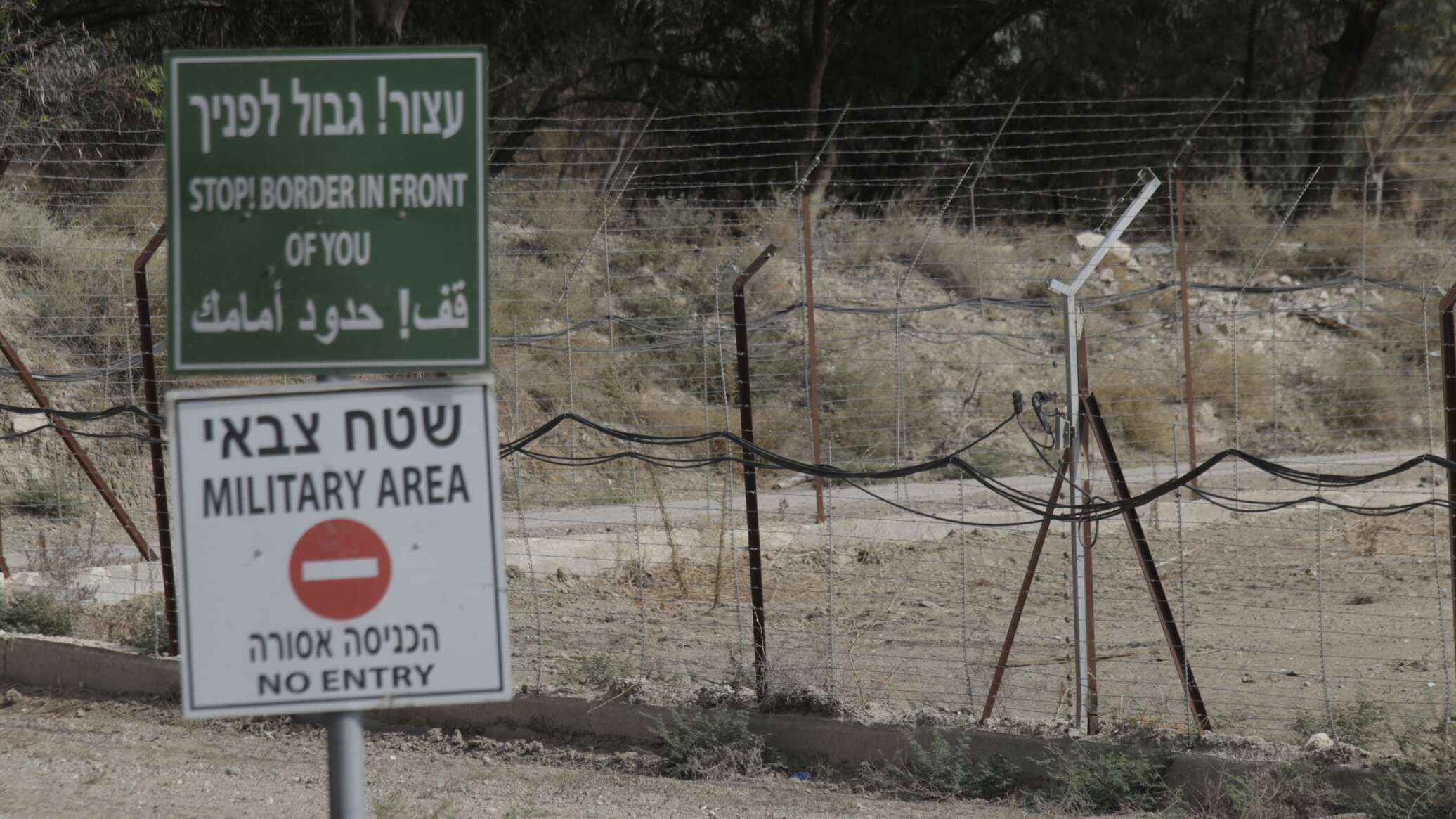
In the midst of tension between Israel and Jordan, against the backdrop of Amman's position rejecting the Israeli war on the Gaza Strip, the issue of renewing the water agreement comes to escalate the status quo.
Source: sputnik