 Home
Home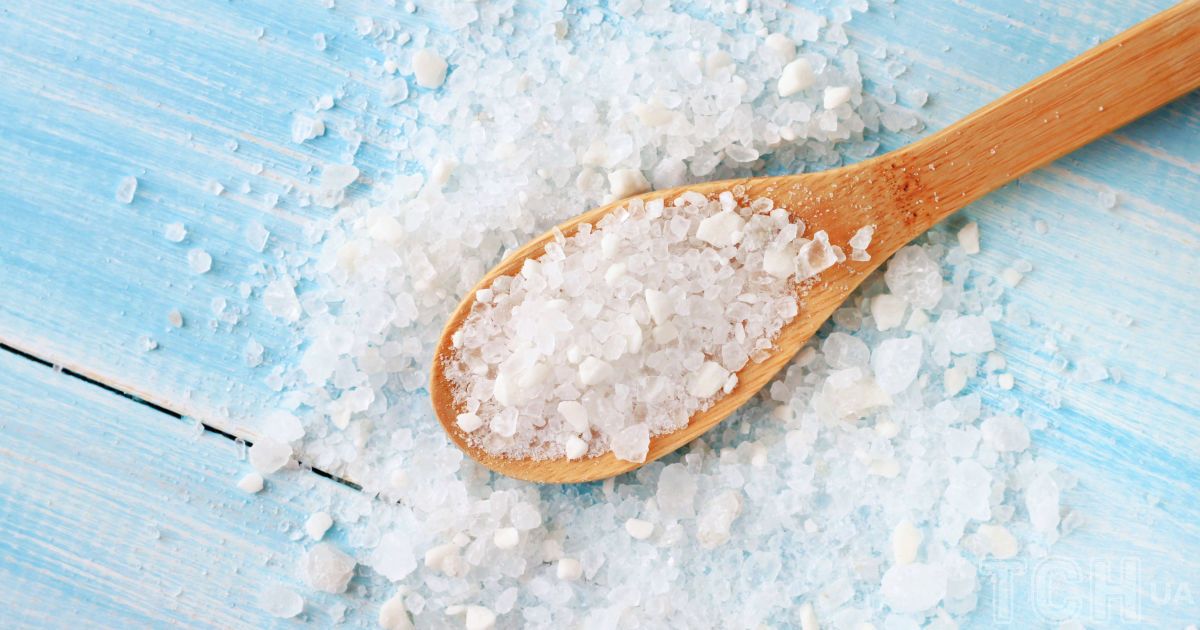
Everyone needs salt in their diet to function optimally.
Salt contains an important mineral, sodium, which affects fluid balance, nerve function, muscle function, and nutrient absorption.
Salt cannot be completely avoided, but it is important to understand how to control its intake.
Dietitian-nutritionist Eli Brecher Anutr provides valuable advice that will help reduce the amount of salt in the daily diet and ensure a balanced diet under such conditions.
Use herbs and spices
Black pepper, garlic, chili pepper, thyme, and paprika are delicious and healthy alternatives to salt that add flavor to your dishes.
Lemon juice
A squeeze of lemon juice can add a fresh taste and replace salt in your diet.
Avoid salty sauces
Many sauces contain a lot of salt.
Choose less salty alternatives or make homemade sauces.
Analyze the composition of products
Check the salt content of products and choose less salty options.
Replace salty snacks with fruits and vegetables
Fruits and vegetables are healthy alternatives to salty snacks that will help reduce salt intake.
Control the portion size
Be careful with portion sizes to avoid exceeding the recommended amount of salt.
Choose high-quality sea salt
Choose sea salt instead of standard salt, and also enrich your diet with vegetables rich in potassium and magnesium.
View this post on Instagram
Post shared by Eli Brecher ANutr |
Nutritionist & The Gut 360 Podcast (@elibrechernutrition)
These tips will help you reduce your salt intake and improve your health.