 Home
Home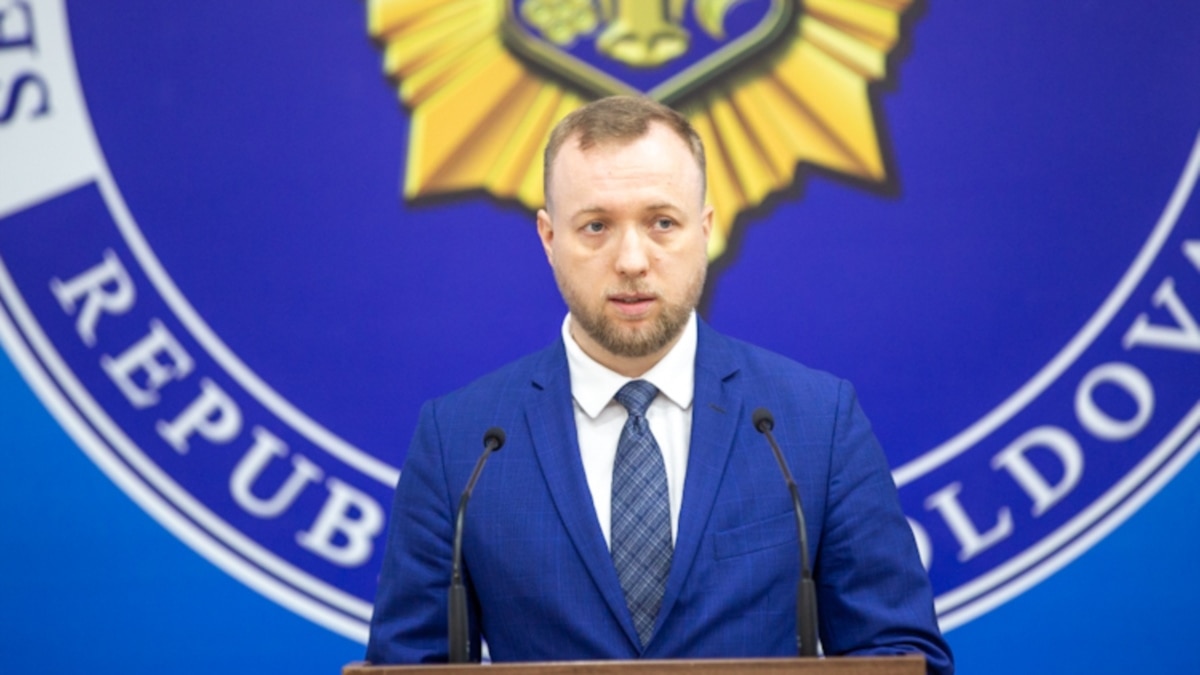
At a press conference in Chisinau, Alexander Mustiata
said that intelligence has "certain data" about actions planned for this and next year, which could jeopardize Moldova's entry into the EU and return it to Russia's sphere of influence.
"The details point to strategies for 2024 and 2025 that include support for pro-Russian political figures linked to intelligence services, organized crime groups and Kremlin leadership," Mustiata said.
In his opinion, the most important player in carrying out destabilizing actions will be the group headed by oligarch
Ilan Shor
, who left the country.
The fugitive oligarch, who heads the Moscow-backed Shore party, was sentenced in absentia to 15 years in prison last year on charges of fraud and money laundering in connection with the disappearance of a billion dollars from Moldovan banks.
Shor's party was declared illegal, and Shor himself left for Israel.
The businessman and his party were also sanctioned by the European Union, the United States and Canada for attempts to destabilize the situation in Moldova and actions in the interests of Russia.
"We predict that attempts will be made to provoke a number of social and political crises, to ignite clashes and international enmity, which will lead to security crises in the Gagauz Autonomous Region or the Transnistrian region," Mustyat said.
Under pro-Western President
Maia Sandu
, who came to power after defeating Moscow-backed
Igor Dodon
in November 2020, Moldova took a firm stand on its European path, strongly condemning Russia's invasion of Ukraine.
Chisinau, like Kyiv, received an invitation to open negotiations on EU membership, and this year should hold a nationwide referendum on joining the bloc.
Presidential and parliamentary elections in Moldova are also scheduled for the end of this year, and Sandu plans to run for a second term.
Her party, PAS, won more than 40 percent of the vote in local elections and is leading in parliamentary elections.