 Home
HomeThe results, published last Wednesday in the journal Environmental Research Letters, looked at the effects of boiling on three common compounds in drinking water: polystyrene, polyethylene, and polypropylene. The researchers tested their theory using hard water, a common type of fresh water. Located in America, known for its high levels of calcium and magnesium carbonate. During the process of boiling that water for 5 minutes, the calcium carbonate formed into small clumps around the microplastics and trapped them. The remaining residue was then separated and removed from the water using a coffee filter, or a steel filter. Stainless steel. The researchers wrote in their study: “High temperatures promote the nucleation of CaCO3 on nanoplastics and microplastics, leading to their encapsulation and assembly within CaCO3 shells.” However, in their study, the scientists also found that boiling water It was not effective in removing all polymers, and this study only demonstrated its effectiveness using hard water or any water containing addictive calcium carbonate, while soft water samples showed that only 25% of microplastics were removed. Currently, boiling water is still able To improve the health and safety of drinking water, the US Centers for Disease Control and Prevention says that boiling water is the safest way to kill disease-causing germs, including viruses, bacteria, and parasites. Nanoplastics and microplastics are small pieces of plastic, They can be up to a thousandth of a millimeter in diameter, although the definition applies to any small piece of plastic that is less than 5 millimeters long. These nanoplastics and microplastics are about the size of a virus, and are the perfect size to negatively affect how human cells function. They are able to pass through key protective filters in the human body, including the intestinal lining and the blood-brain barrier, and have also been found in food, breast milk, and even in clouds. While the effects of microplastics on human health are still being studied, Polystyrene is thought to be capable of causing intestinal inflammation, and can kill red blood cells. Overall, there is growing evidence that plastic can build up in the body, leading to oxidative stress, inflammation, insulin resistance, and liver problems.
Study: Boiling water may remove 90% of microplastic particles
2024-03-02T15:36:33.108Z
Highlights: Study: Boiling water may remove 90% of microplastic particles. The researchers tested their theory using hard water, a common type of fresh water. During the process of boiling that water for 5 minutes, the calcium carbonate formed into small clumps around the microplastics and trapped them. The remaining residue was then separated and removed from the water using a coffee filter, or a steel filter. Currently, boiling water is still able To improve the health and safety of drinking water, the US Centers for Disease Control and Prevention says that boiling is the safest way to kill disease-causing germs.
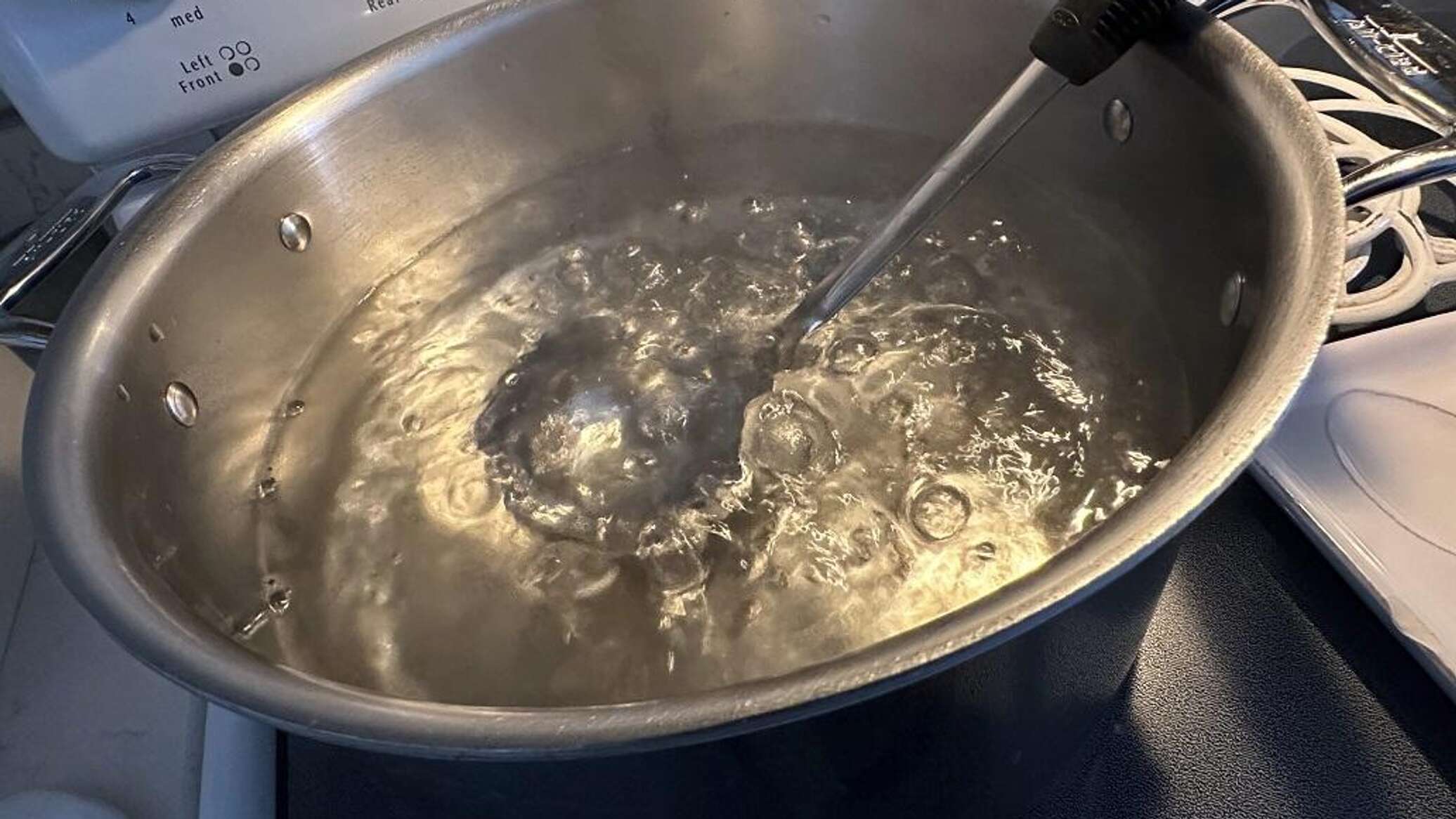
A new study has discovered that boiling drinking water can help reduce the amount of microplastics in it by approximately 90%.
Source: sputnik