 Home
Home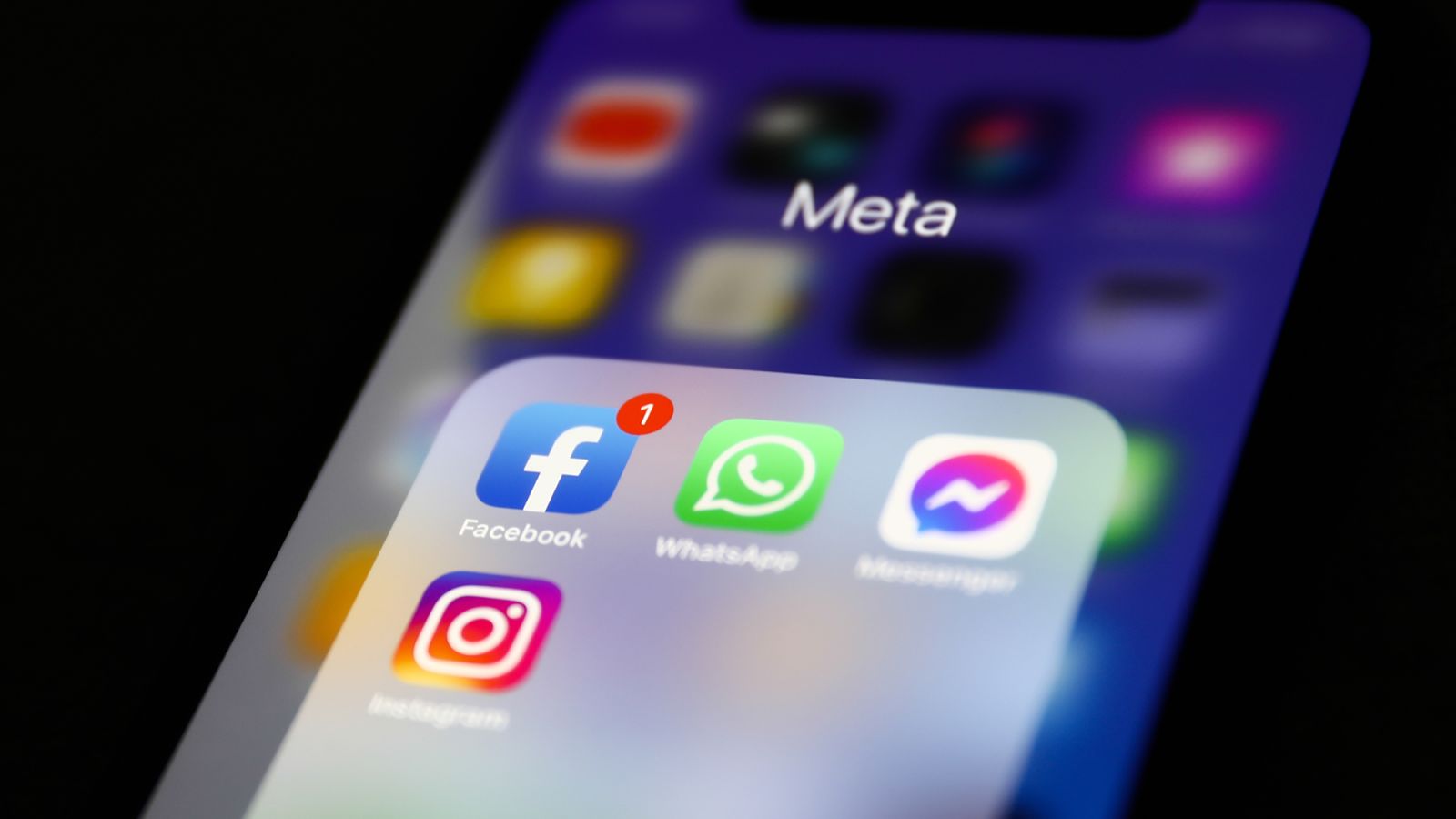
In this illustrative photo taken in Krakow, Poland, on April 6, 2022, Facebook, WhatsApp, Messenger and Instagram icons are displayed on a phone screen. (Jakub Porzycki/NurPhoto/Getty Images)
(CNN) -- Meta will allow political ads on its platforms to challenge the outcome of the 2020 U.S. presidential election, as part of a rollback in election-related content moderation among major social media platforms over the past year, and ahead of the 2024 U.S. presidential race.
The policy means that Meta, the parent company of Facebook and Instagram, will be able to directly benefit from political ads containing false claims about the legitimacy of the 2020 election. While the company will allow political ads that claim past elections — including the 2020 presidential race — were rigged, it will ban those that "question the legitimacy of an upcoming or ongoing election."
The change is part of a policy update a year ago, but it wasn't widely reported. The Wall Street Journal reported early Wednesday on the change in Meta's advertising policy.
- Meta bans the use of generative AI tools in political ads
Meta says the policy allowing 2020 election denialism in political ads was part of an August 2022 announcement about its approach to last year's midterm elections, when the company said it would ban ads targeting users in the United States, Brazil, Israel and Italy that discourage people from voting. questioning the legitimacy of an upcoming or ongoing election or prematurely claiming an electoral victory. The same month, Meta told The Washington Post that it would not remove posts from political candidates or regular users who claimed voter fraud or that the 2020 election was rigged.
According to the company, Meta's broader policy against election misinformation continues to prohibit content that may interfere with people's ability to participate in voting or the census, such as false claims about the timing of an election.
advertising
Pressure on tech companies to combat election disinformation increased following the Jan. 6, 2021, attack on the U.S. Capitol, which was fueled by unsubstantiated claims about 2020 election fraud.
The 2020 election was not rigged or stolen. Dozens of lawsuits seeking to challenge the results of the 2020 presidential election were dismissed at the state and federal levels in states across the country following an effort to overturn the result that began in November 2020.
But more recently, social platforms have changed in the way they handle election ads and misinformation related to the 2020 election.
Meta, YouTube and X, formerly known as Twitter, have reinstated accounts belonging to former U.S. President Donald Trump since last fall. Meta clarified after Trump's reinstatement in January that it would not punish the former president for questioning the results of the 2020 election, but said he would be barred from casting doubt on the upcoming election.
X also said earlier this year that it would allow political ads again, lifting an earlier ban.
YouTube said in June that it would no longer remove content that made false claims that the 2020 U.S. presidential election was stolen, reversing a policy instituted more than two years ago. However, the company says it will continue to ban content that misleads users about how and when to vote, promotes false claims that may discourage voting, or "encourages others to interfere with democratic processes."
YouTube's policy change allowing denialism of the 2020 election does not apply to its advertising policies, YouTube spokesman Michael Aciman confirmed Wednesday. YouTube's advertising policy continues to prohibit claims that are "demonstrably false and that could significantly undermine participation in or trust in an electoral or democratic process."
Separately, Meta said earlier this month that it would require political advertisers around the world to disclose any use of artificial intelligence in their ads, starting next year, as part of a broader move to limit "deepfakes" and other digitally altered misleading content. It also said it would ban political advertisers from using the company's new artificial intelligence tools that help brands generate text, backgrounds and other marketing content.
With reporting by Brian Fung
Elections 2020 United StatesMeta