 Home
HomeWhat is behind Ansar Allah’s call on Saudi Arabia to sign the peace map and end the war with the coalition at this time, and will foreign interventions allow stability in Yemen in the conditions that the region and the world are experiencing? First of all, Akram Al-Hajj, the Yemeni political analyst, says: “It is assumed that 9 years of internal war In Yemen, it is sufficient for all parties to return to the right path, which is the return of Yemeni brotherhood among everyone, whether they are in the north or the south. The war has continued throughout the past years until now, but the dilemma lies in the Arab and international role, which greatly tampers with the internal relationship between the North and the South, based on the division that occurred after the fall of former Yemeni President Ali Abdullah Saleh, where the division was made into two parties called legitimacy, and the other party called They should be the Houthis or Ansar Allah.” Al-Hajj continued: “The state of fragmentation that occurred after the fall of Saleh and the external interventions brought the situation to what it is now, but I think that everyone today has become convinced, except for those who benefited from the war, that Yemen is one and that it must End this tragedy,” adding: “There are those who play with cards and their fingerprints are clear in causing division, and they have interests in keeping Yemen torn apart and in a state of war and fighting, because they see that the stability of Yemen poses a great danger to them.” Facing the Future Al-Hajj pointed out that “the current conditions in the region and the world It is imperative for the Yemenis to gather their diaspora and unite to confront the future, which is still ambiguous, whether at the regional, international, or even local level, and we cannot deny that the statements about peace and war from both sides may contain maneuvers behind which Arab intervention is hidden.” A southern division over what happened recently. Of forcing the Transitional Council to confront “Ansar Allah,” which targets American, British, and Israeli ships in the Red Sea, Al-Hajj says: “When we talk about the Yemenis at the present time, we find that there is a mixture of division. It is supposed that the legitimacy of Rashad Al-Alimi and his team is the one that governs the south.” But we find that there is a Transitional Council in the south led by Aidaroos Al-Zubaidi, which follows the UAE according to all evidence over the past years, as he described it. He added: “So we found this council during the past weeks declaring that it is ready to play the role of protector of American and Israeli navigation and ships in Bahrain, Red and Arab, with American-Emirati funding, and this move by the STC has undermined the legitimacy of the Alimi Presidential Council.” The political analyst pointed out that there is a state of conflict in the south that may lead the south to civil war, which confirms that the Arab and international communities They are a fundamental reason for the current state of rift that Yemen is witnessing.” A political maneuver. On the other hand, Dr. Abdul Sattar Al-Shamiri, head of the Jawd Center for Studies in Yemen, believes that “statements related to the Houthis (Ansar Allah) accepting peace initiatives at the present time can be considered a type of maneuver.” politically, because they see that their military situation today is much better than it was in the first years of the war.” He said in his interview with “Sputnik”:“In fact, there is no paved ground for any peace agreement at the present time, and those statements that came out of Sanaa come as a maneuver, because the Houthi group felt that it was now in a better position militarily and perhaps politically despite its classification as a terrorist group.” Continuing the truce. Al-Shammiri pointed out that these statements about Peace comes within the tactics and maneuvers that will lead to nothing, given that the peace process after the conflict in the Red Sea, after the internal skirmishes, and after all these major developments is not close, and there is no hope for any peace map.” He concluded by saying: “At the present time and after the flames of the region I do not see that talking about a road map or peace is logical because the shepherds are experiencing new crises in the region and the world. It is only possible to talk during this period about calm or continuing the calm and extending it, nothing less and nothing more.” The Yemeni “Ansar Allah” group directed, two days ago, A call to Saudi Arabia to end the military operations of the Arab coalition, which it leads, in Yemen, and to sign a peace map, which it said it had reached with the Kingdom during negotiations sponsored by the Sultanate of Oman, accusing America and Britain of obstructing peace in Yemen. The head of the Supreme Political Council formed by the “Ansar Allah” group said ", Mahdi Al-Mashat, in a speech on the occasion of the "National Day of Resilience" on the eve of the anniversary of the launch of the Arab coalition's military operations in Yemen, the text of which was published by the Yemeni news agency "Saba": "We affirm our complete and renewed keenness to move forward on the path to peace, and we reassure everyone that Yemen does not represent... A danger to anyone, and that everyone who has a problem with Sana’a can solve it through dialogue and understanding and giving priority to the language of respect as it is the only language available to solve any problems.” Al-Mashat added: “I call on the leaders of the coalition to move forward towards establishing sustainable peace and ending the aggression (i.e. coalition operations) and to sign and implement The peace map, which was reached in the negotiations under the auspices of the Sultanate of Oman, after great effort and long discussions, and we confirm Sana’a’s readiness for that.” Al-Mashat accused America and Britain of obstructing efforts to bring peace to Yemen, saying: “Our hope is that the coalition leadership, for its part, will be able to block the road “On the war merchants, led by America and Britain, which show a clear determination to obstruct and impede peace efforts in Yemen and the region.” On December 23, the UN envoy to Yemen, Hans Grundberg, announced in a statement that the Yemeni parties had reached a commitment to implement measures that include implementing a moratorium. To open fire across all of Yemen, take measures to improve living conditions, and engage in preparations to resume an inclusive political process under the auspices of the United Nations, describing this as an “important step,” stressing “work with the parties to develop a road map under the auspices of the United Nations that includes these commitments and supports their implementation.” At that time, he explained that “the road map includes the parties’ commitment to implementing a nationwide ceasefire, paying all public sector salaries, resuming oil exports, opening roads in Taiz and other parts of Yemen, and continuing to ease restrictions imposed on Sana’a Airport and Hodeidah Port,” stressing that “The roadmap will establish implementation mechanisms and prepare for a political process under the auspices of the United Nations.”Tensions have escalated in the Red and Arabian Seas and the Gulf of Aden, since the Ansar Allah group began, last November, launching attacks on ships, which it says target those linked to Israel or heading to its ports, in response to the Israeli army’s operations against the Palestinian factions in the Gaza Strip. Gaza. Recently, the leader of "Ansar Allah" Abdul-Malik al-Houthi announced that his forces had launched 479 missiles and drones, since the group began "Gaza support operations" through attacks in the Red and Arab Bahrain and the Gulf of Aden, or operations targeting Israel, revealing that Eilat, south of Israel, was targeted with a missile. A developer that bypassed American and Israeli monitoring and interception technologies. The “Ansar Allah” group announced, a few days ago, the start of expanding the scope of its attacks against ships linked to Israel or heading to its ports, and American and British ships in the Red and Arabian Seas to include the Indian Ocean, a day after the group announced the targeting of 73 ships. And a barge, since the start of Operation “Al-Aqsa Flood”, last October. Yemen has witnessed a fragile calm since the United Nations announced, on October 2, 2022, that the Yemeni government and the “Ansar Allah” group had not reached an agreement to extend and expand the truce. Which lasted 6 months.
What is behind Ansar Allah's call to end the war with the Arab coalition led by Saudi Arabia?
2024-03-28T18:21:46.653Z
Highlights: Ansar Allah recently called for an end to military operations between the coalition and Yemen. The war parties have not signed an official map for peace in Yemen. Political analyst Akram Al-Hajj says the dilemma lies in the Arab and international role, which greatly tampers with the internal relationship between the North and the South. Dr. Abdul Sattar Al-Shamiri, head of the Jawd Center for Studies in Yemen, believes that “statements related to the Houthis accepting peace initiatives can be considered a type of maneuver.”
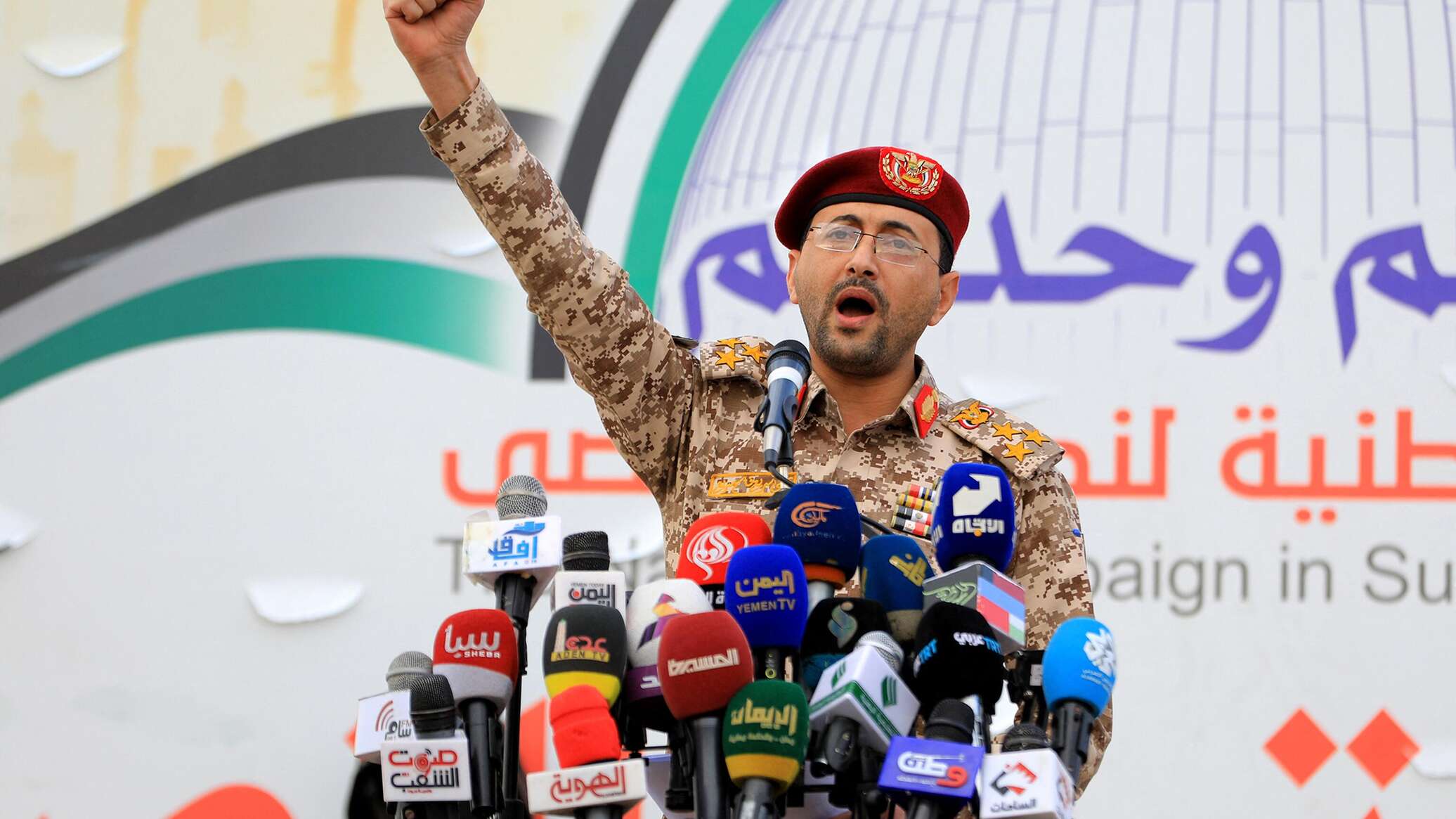
Although the truce has continued for months between Saudi Arabia and Sanaa, real peace is still far away, as the war parties have not signed an official map for peace in Yemen, which is what Ansar Allah recently called for, when it demanded an end to military operations between the coalition and Yemen.
Source: sputnik