 Home
Home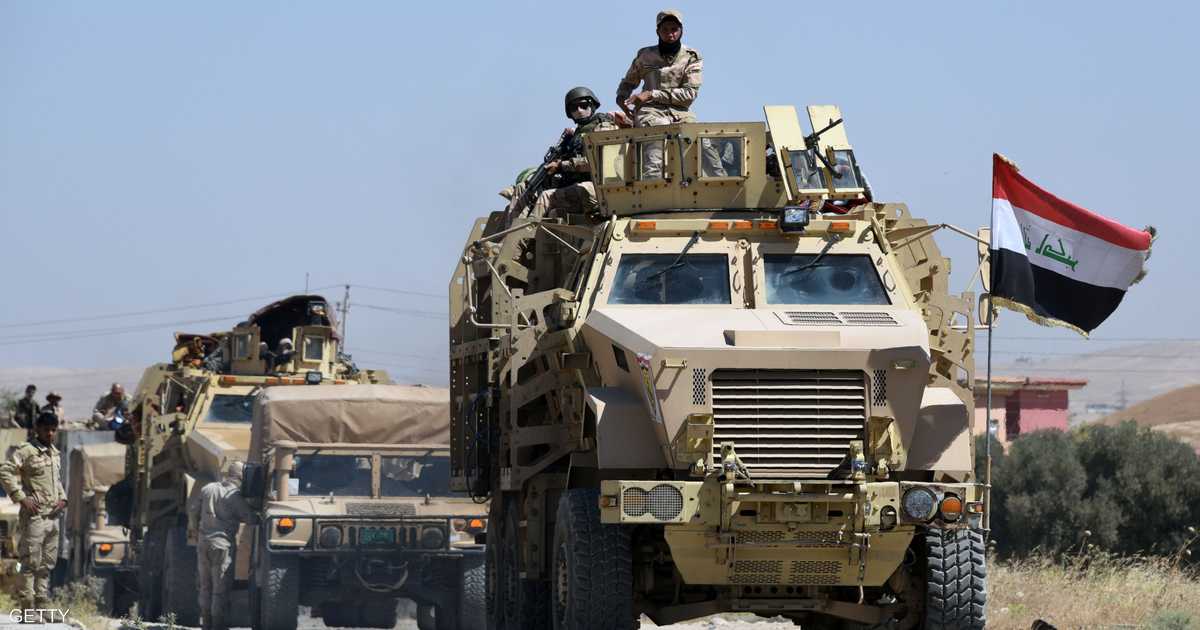
A security source, preferring to remain anonymous, told Agence France-Presse that this “preemptive operation” comes as a deterrent to attacks that the organization is believed to have been planning to launch during the month of Ramadan.
A statement issued by the government security media cell stated that "the number of terrorists killed at the hands of our heroic security forces during the past 24 hours is ten," in the operation that includes forces from the Iraqi army and the Popular Mobilization Forces, and includes the provinces of Diyala, Kirkuk, Salah al-Din, and Anbar.
After taking control of large areas in Syria and Iraq in 2014, the extremist organization suffered successive defeats in both countries until it was stripped of all areas of its control in 2019.
Iraq declared its victory over the organization in late 2017, but it still maintains some cells in remote and remote areas in the north of the country, which from time to time launch attacks on the army and security forces.
A UN report published in January said that in Iraq and Syria “the ISIS core continued to operate as a low-intensity insurgency with terrorist cells based in remote and rural areas.”
The report added, "Although the organization's capabilities have deteriorated in the region, it remains a threat because it has adapted to counter-terrorism pressures by exploiting security gaps."
According to the report, “the strength of ISIS members in Iraq and the Syrian Arab Republic combined is estimated at between 3,000 and 5,000 fighters.”