 Home
Home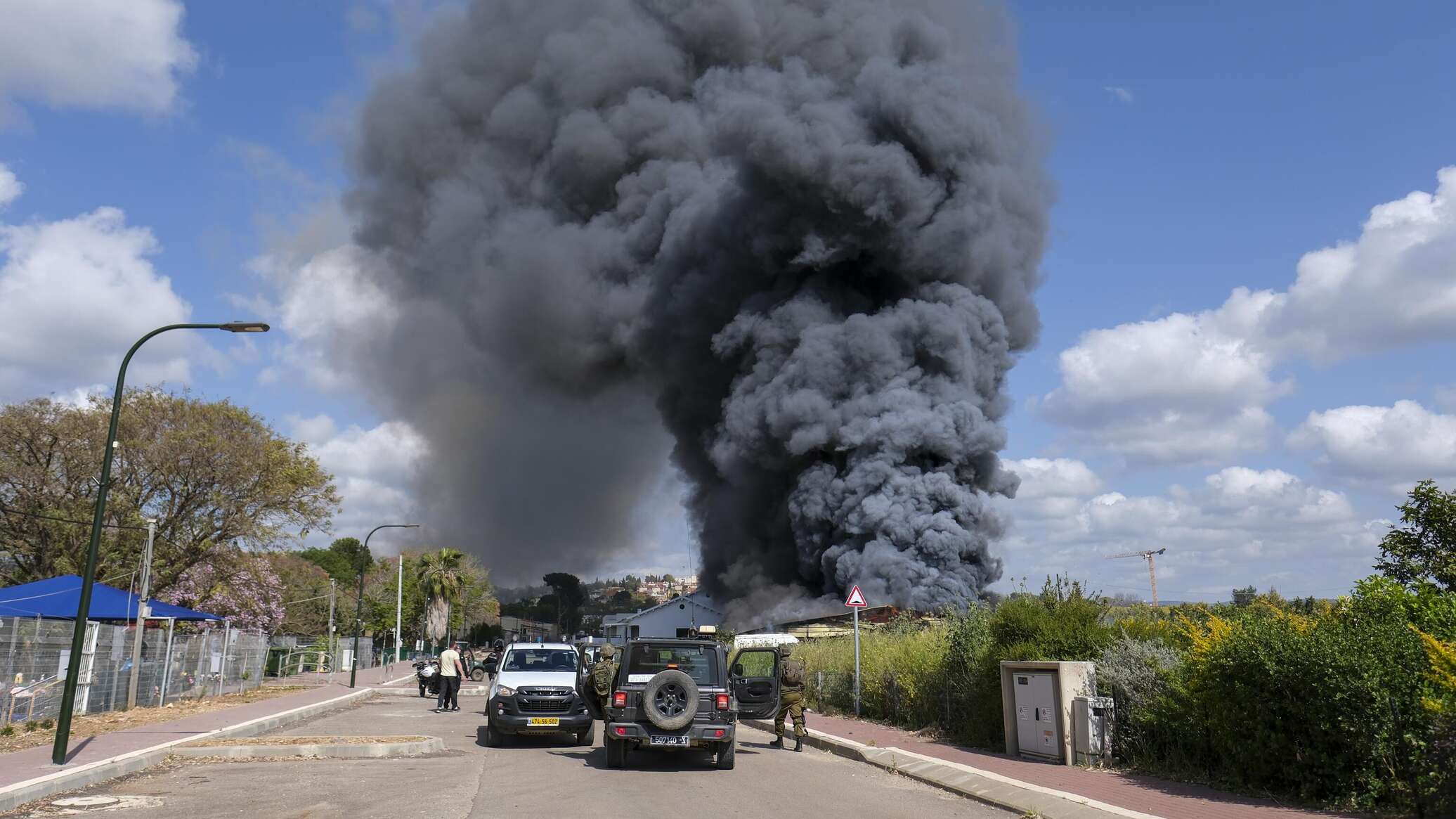
On Sunday morning, Israeli Radio quoted Sofer as saying that the situation on the northern front is very difficult, and it would have been better for his country not to open a new front in the north during the first stages of the ongoing war on the Gaza Strip, considering it a “mistake.”
The Israeli Minister of Immigration and Absorption called for an attempt to reach a political process on the northern front in front of the Lebanese Hezbollah, considering that there are many challenges facing his country, and the Israeli government has done a lot regarding what it must offer. The Lebanese Hezbollah had announced in a statement on Sunday On a summary of its military operations and its targeting of Israeli army positions and positions of its soldiers in the eastern and western sectors of southern Lebanon, he explained that “the Mujahideen of the Islamic Resistance (Hezbollah) bombed, yesterday, Saturday, in the eastern sector of southern Lebanon, a gathering of Israeli enemy soldiers in the vicinity of the Hunin Castle site.” He indicated that he launched, in the western sector of southern Lebanon, “an attack on a gathering of Israeli army soldiers in the vicinity of the Al-Dhahira site, and also bombed another gathering in the vicinity of the Zarit barracks with missile weapons, injuring it directly.” For its part, the Israeli army targeted 15 sites in South Lebanon in the eastern, western and central sectors, where drones bombed a car on the road between the town of Al-Bazouriyah and Burj Al-Shamali, killing two Hezbollah members. In the eastern sector, they targeted with heavy artillery the town of Kafr Kila, the Marjayoun Plain, Wadi Al-Saluki, the town of Hula, Al-Abbasiya, and Al-Adissa. , Majidiya, and Tallet Al-Hamams, in addition to the town of Aitaroun in the central sector. The border between Lebanon and Israel has witnessed tension and intermittent exchange of fire between the Israeli army and Hezbollah since the start of the Israeli war on the Gaza Strip. The Israeli army continues its military operations against the Gaza Strip, Since last October 7, when the Hamas movement that controls the Gaza Strip announced the start of Operation “Al-Aqsa Flood,” in which thousands of rockets were fired from Gaza at Israel, and its forces stormed Israeli settlements adjacent to the Gaza Strip, causing the death of about 1,200 Israelis, in addition to the capture of About 250 others. The battles included a truce that lasted for 7 days, which was reached with Egyptian, Qatari, and American mediation, during which women and children were exchanged prisoners and agreed amounts of aid were brought into the Gaza Strip, before military operations were renewed, on the first of last December. The Israeli bombing and ground operations in the Gaza Strip, since October 7, resulted in about 25,000 deaths and about 62,000 injuries.