 Home
Home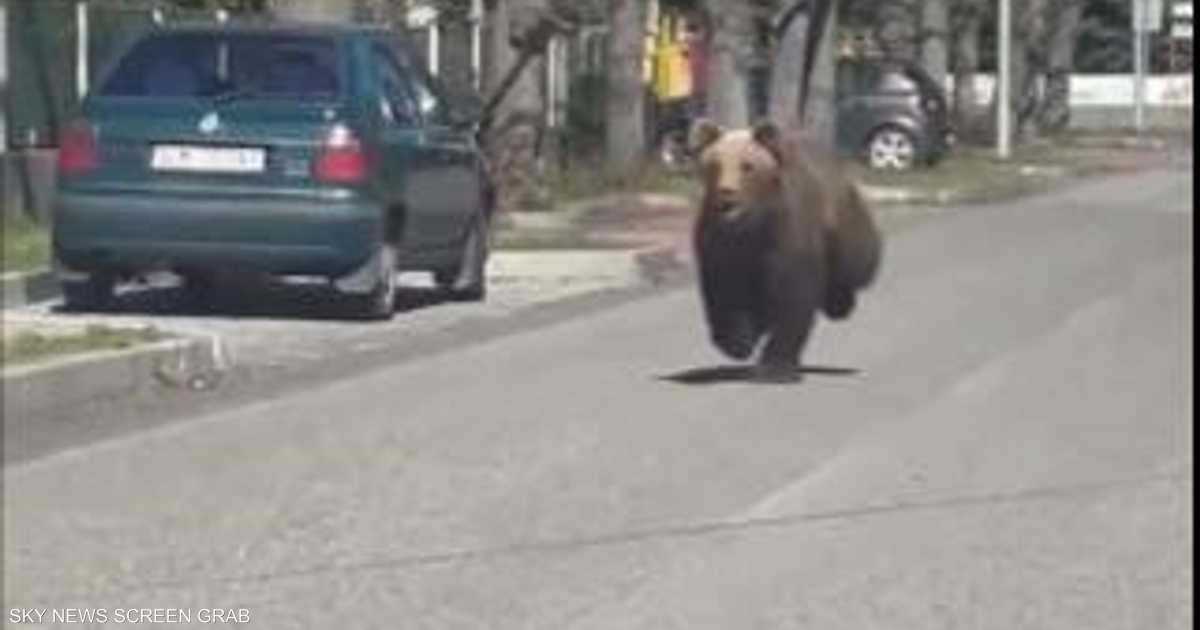
After the bear was eliminated, it was announced that the state of emergency in the town had been canceled, after it had been imposed on March 17.
According to Environment Minister Thomas Taraba, a drone was used in the ten-day search that eventually led to the identification of the bear.
The local police were combing the surrounding forest and the residential area in search of the animal that entered the city two weeks ago from the Western Tatra Mountains.
Because of the rampaging bear, a 49-year-old woman sustained an injury to her shoulder, while a 72-year-old man was treated for a wound to his head after they were attacked.
Authorities also said that a 10-year-old girl suffered scratches and bruises from the attack.
Footage circulated online showed the monster wandering through public streets and jumping in front of cars, while townspeople could be seen running away from it.
The town asked residents not to leave their homes, especially in the early and late hours, while six patrol groups consisting of armed hunters, police officers and wildlife experts combed the town in search of the bear.
On March 19, a sign was erected warning residents that they would "put their lives in danger" if they left their homes during the manhunt.
The sign read: "The road is temporarily closed and due to bear hunting there is a great danger to life. In the event of disobedience, people will be at great risk of putting their lives in danger."
Bears are widespread in many parts of Eastern Europe, including the areas surrounding the Carpathian Mountains, which extend from Romania to Poland and pass through Slovakia.
The researchers estimated that about 3,000 bears live in Sweden, 2,000 live in Finland, 1,100 live in Estonia, and about 100 live in Norway, with the largest brown bear population in Europe in Russia.