 Home
Home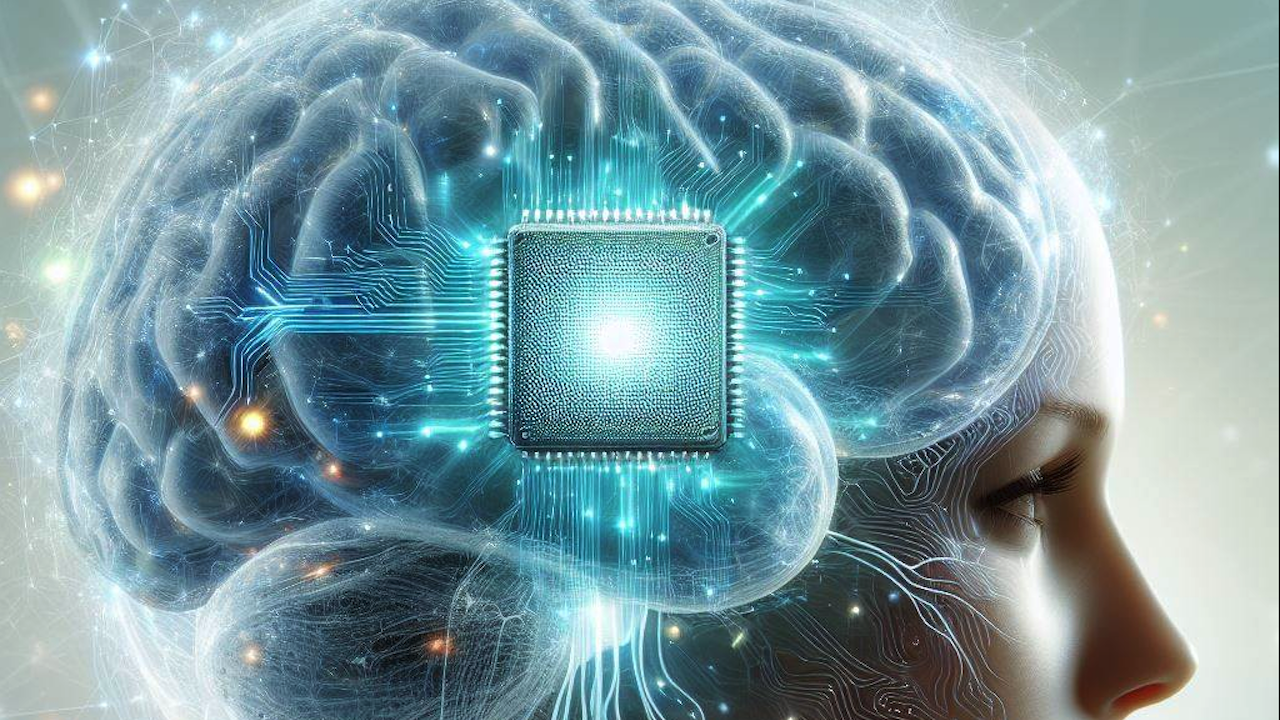
Neuralink founder Elon MuskElon Reeve Musk (English: Elon Reeve Musk, /ˈiːlɒn ˈmʌsk/) is a Canadian-American engineer, inventor, said a week ago that the first person with an implanted Neuralink brain chip now controls the mouse cursor with his mind.
Since then, Neuralink has not shared any material to support this claim.
The lack of evidence led medical researchers to call the news a "bluff."
As shared in a new commentary in Nature, not only is this hardly an innovation, but we are not getting enough data to assess the safety of the brain implant.
"Neuralink only shares the news they want us to know about," Sameer Sheth, a neurosurgeon who specializes in neurotechnology and implants at Baylor College of Medicine, told Nature.
"There's a lot of concern in the community about this."
The first person with Musk's brain chip has learned to control a mouse cursor with his mind
Musk said at X last month that the first person to receive the brain implant is "recovering well."
But as anyone who follows Neuralink can tell you, there's good reason to worry about what's going on behind the scenes.
Musk withheld information about the monkeys that became his company's test subjects.
The leaked documents detail how the implants caused countless grotesque injuries, including rupturing a monkey's brain and causing severe cerebral edema.
In many cases, monkeys spend the last days of their lives in unnecessary agony that experts say could have been prevented.
The truth behind Neuralink implants: paralysis, convulsions, brain swelling
Echoing these safety concerns, Sheth told Nature that researchers are still unclear about the capabilities of Neuralink's robotic surgeon.
So far, notes Sheth, we've only seen footage of him "operating" on a mannequin, which was more than a year ago.
In fact, it has not yet been confirmed whether the robotic surgeon was used on the human patient.
"A human controlling a cursor is nothing new," Bolu Ajiboye, a brain computer interface researcher at Case Western Reserve University, told Nature.
He notes that the first case of a human controlling a cursor with a brain implant was in 2004, and that tests had shown this in monkeys even earlier.
Follow the channel of
Elon Musk
brain chips
neurosurgery
Sameer Sheth
Bolu Ajiboye